
Author: admin
-

Episode 41: Everything So Far
A retrospective of everything L&H has covered so far, plus some special announcements.
-
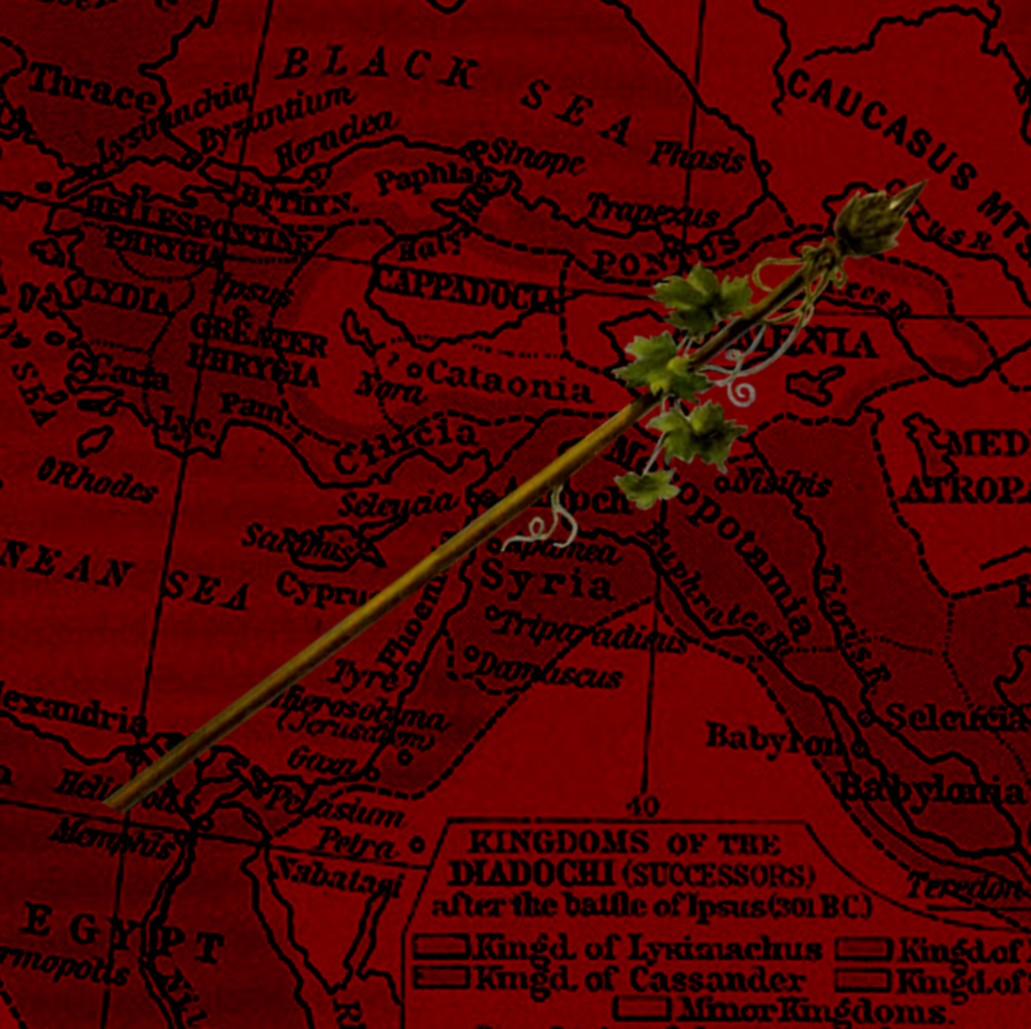
Episode 40: Hellenism and the Rise of the Self
The Hellenistic period – 330-30 BCE, saw Alexander’s successor kingdoms rotting away in the east, the rise of Rome, and the beginnings of modern consciousness.
-
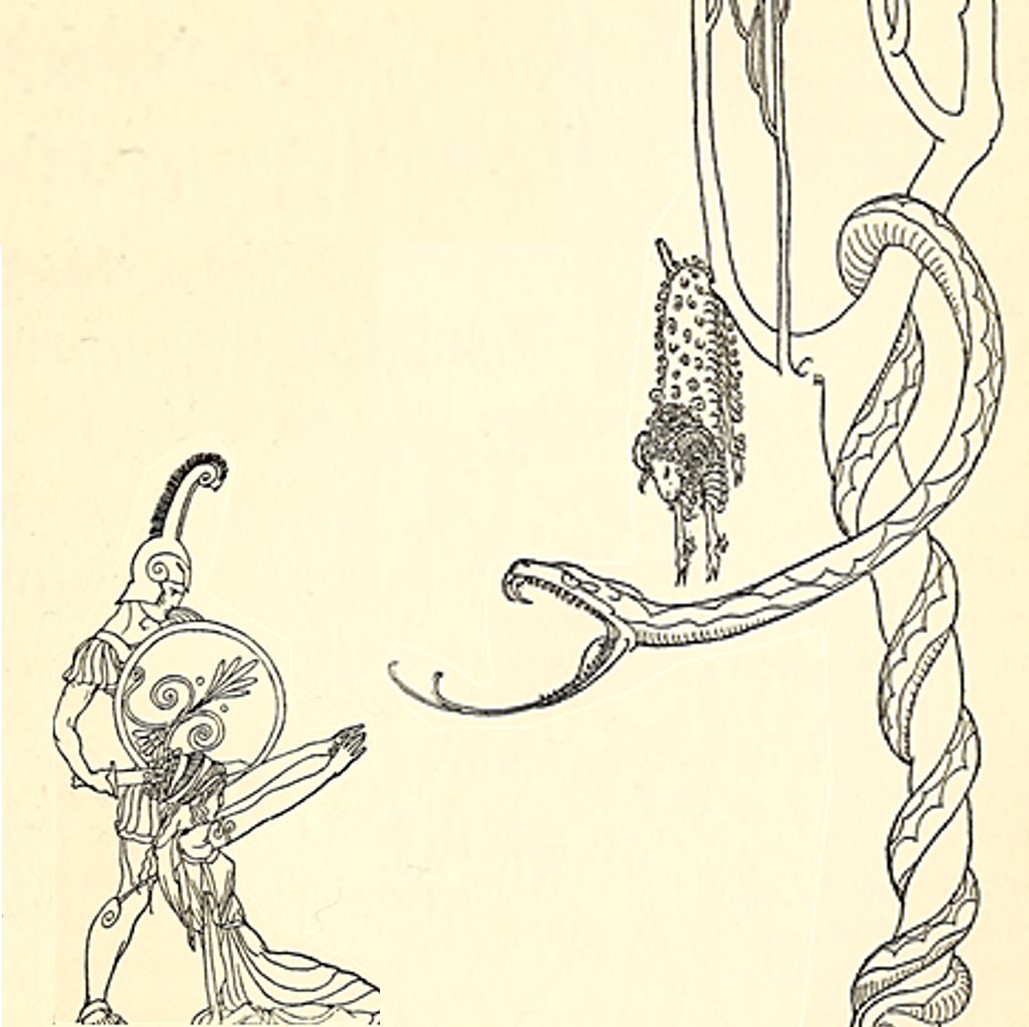
Episode 39: Medea and the Argonauts
Apollonius’ Jason and the Argonauts, Books 3-4. Mesmerizing Medea takes center stage at the Argonautica’s end, dominating the epic’s events.
-

Episode 38: The Epic Anti-Hero
Jason and the Argonauts, Books 1-2. Journey with Jason to find the Golden Fleece, and learn about the Greco-Egyptian writer, Apollonius of Rhodes.
-
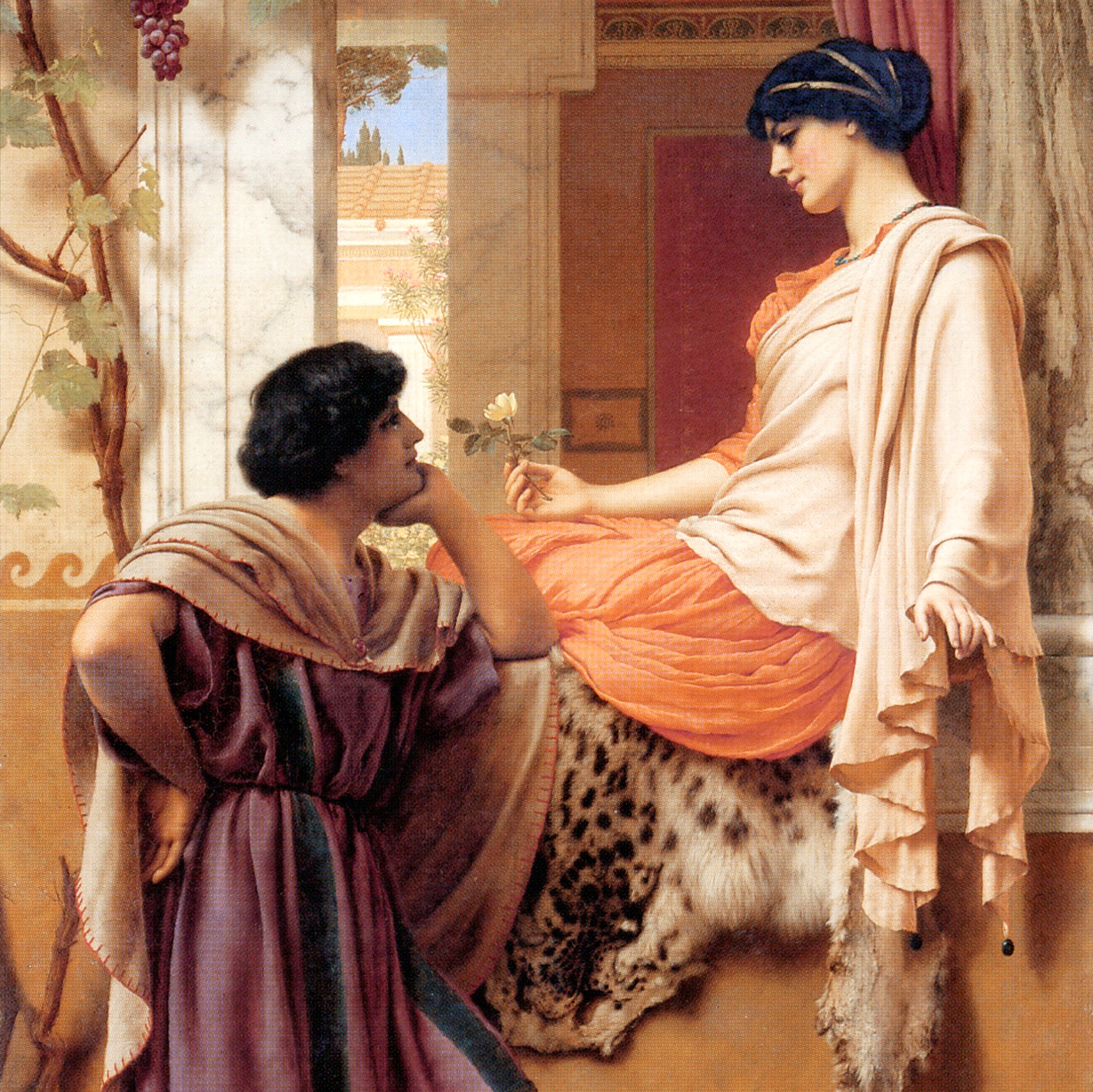
Episode 37: The New Comedy
Menander’s Old Cantankerous (316 BCE), produced during the New Comedy period, shows theater beginning to take on its modern form.
-

Episode 36: War and Peace and Sex
Aristophanes’ Lysistrata, with all of its nudity, sex, and explicit language, was nonetheless his most powerful salvo against the Peloponnesian War.
-

Episode 35: The Great Thundercrap
Aristophanes’ The Clouds is a dazzling satire on Athenian philosophy, showing a very different Socrates than Plato’s.
-
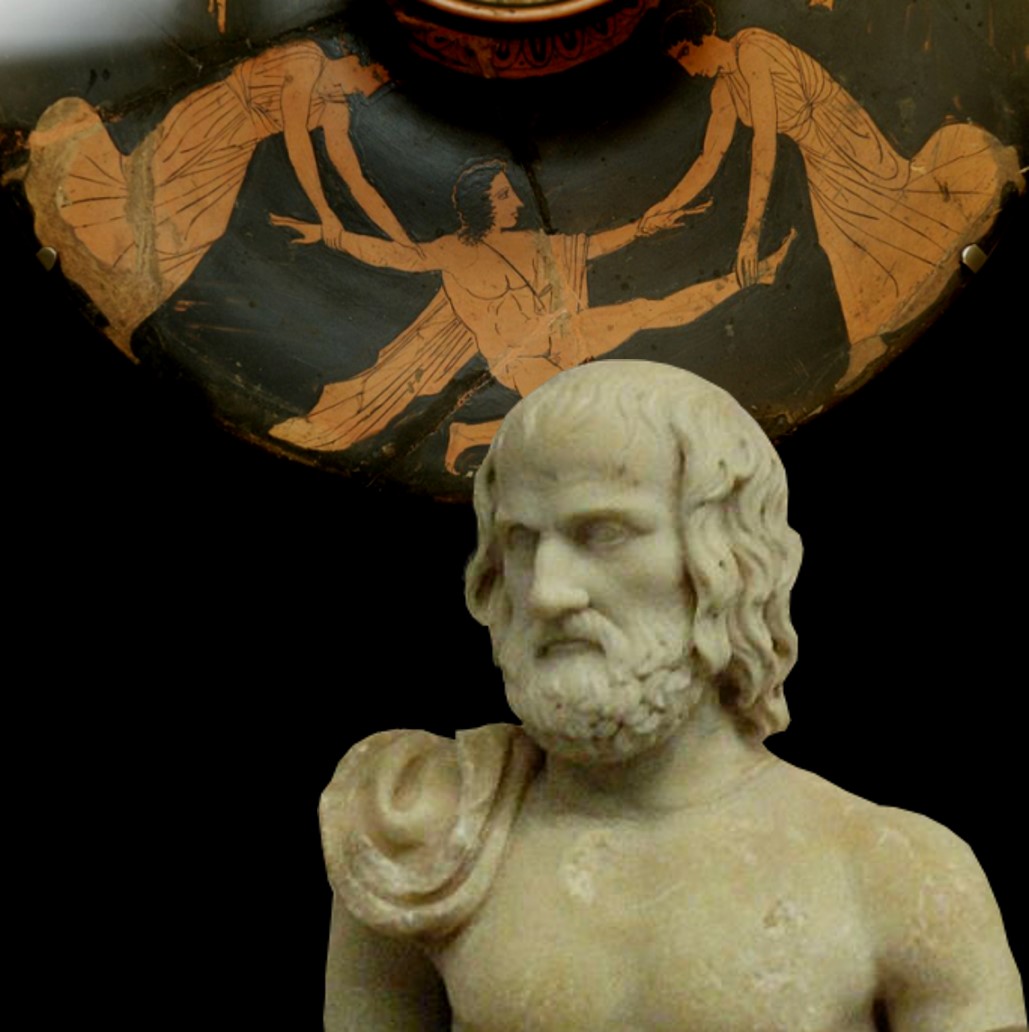
Episode 34: The Traditions of Our Forefathers
Euripides’ The Bacchae, one of the darkest and bloodiest works of Ancient Greek tragedy, is about the spread of cult religions during the late Peloponnesian War.